
NEDC Moves To Deploy Electric Vehicles In Taraba
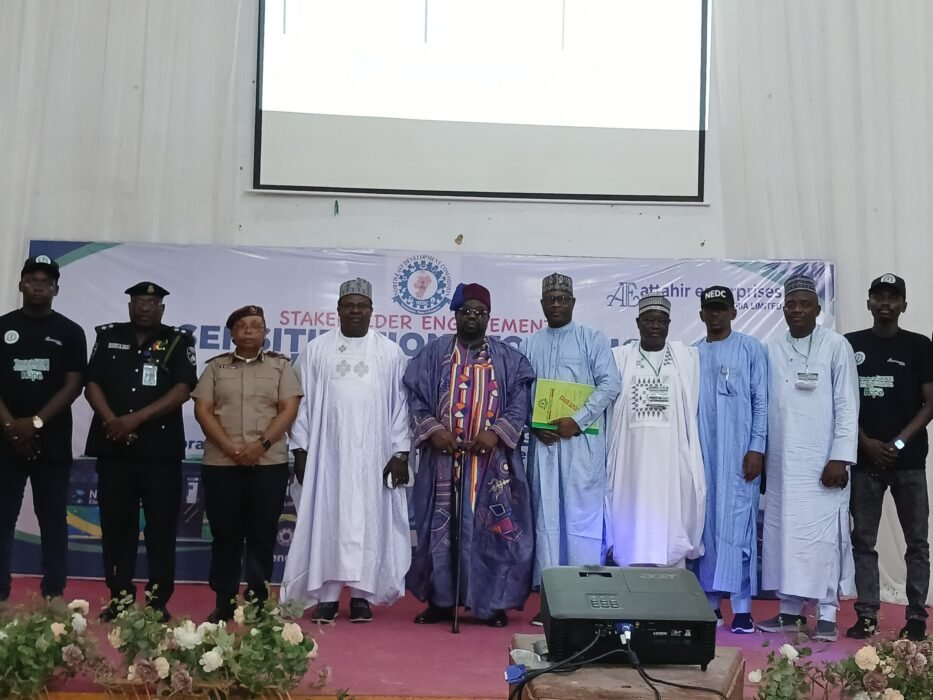
Taraba state Coordinator, NEDC, Mal. Adamu Lawal in group phowith some if the stakeholders in Jalingo
The North-East Development Commission (NEDC), has intensified efforts to promote electric mobility in Taraba State as part of its strategy to improve transportation, create jobs and stimulate sustainable economic growth across the region.
The initiative was emphasised at a stakeholders’ sensitisation workshop on the deployment and operation of electric mobility in Taraba State, with the themed, “Powering the North-East: Embracing Electric Mobility for a Cleaner, Smarter and Prosperous Future.”
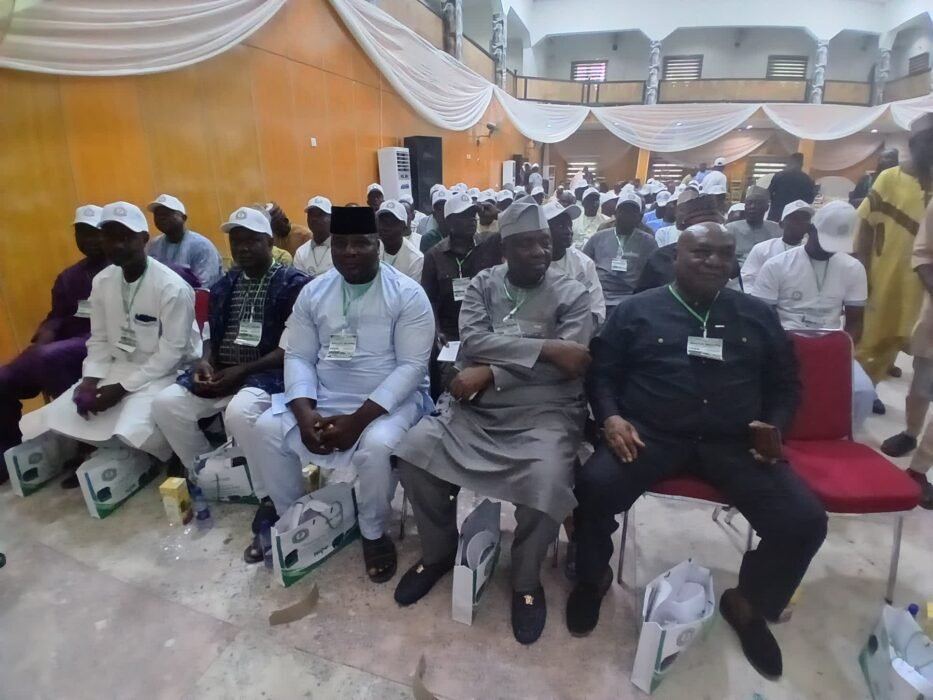
The stakeholders include government representatives, transport operators, financial institutions, technical experts, development partners, transport unions and community leaders,
Speaking at the workshop, the NEDC Managing Director and Chief Executive Officer, Mohammed Alkali, said electric mobility offered the region an opportunity to address transportation challenges, expand economic opportunities and reduce environmental pollution.
Alkali, who was represented by the Taraba State Coordinator of the Commission, Adamu Lawal, said the deployment of electric buses, vehicles and tricycles would promote economic efficiency, encourage innovation and create employment opportunities while supporting efforts to reduce carbon emissions.
According to him, the initiative goes beyond introducing a new means of transportation, as it is also designed to improve connectivity between communities, empower residents and enhance their quality of life.
He noted that the initiative aligned with the NEDC’s North-East Stabilisation and Development Master Plan, particularly its pillars on connected regions and environmental protection.
Alkali, then called on stakeholders to collaborate towards ensuring the successful implementation of the programme.
He expressed optimism that the deliberations would produce actionable recommendations for the successful deployment of electric mobility in Taraba State and the wider North-East region.
Also speaking, the Managing Director and Chief Executive Officer of Atahir Enterprises Nigeria Limited, Mr Bunu Umar Abacha, said the workshop was designed to bring stakeholders together to examine the opportunities and challenges associated with electric mobility and to develop a sustainable operational framework for the region.
Mr. Abacha said the initiative should not be limited to the distribution of electric vehicles and tricycles but should establish an integrated ecosystem capable of generating employment, supporting technology development and improving livelihoods.
He explained that, the programme aligned with President Bola Tinubu’s Renewed Hope Agenda on economic growth, job creation, transportation improvement, energy transition and inclusive development.
According to him, the workshop provides an opportunity for stakeholders to move beyond policy discussions, to developing practical strategies for implementing electric mobility in ways that reflect the peculiar needs and realities of the North-East.
He added that the initiative also supported the objectives of the North-East Stabilisation and Development Master Plan 2020–2030, which recognises transportation as a critical component of regional development and economic integration.
Abacha stressed the need for private-sector participation in financing, developing and operating transportation services, noting that sustainable electric mobility would require effective collaboration between government and private investors.
He identified sustainability as a major consideration, and urged stakeholders to develop an operational model capable of generating revenue, maintaining vehicles and other assets, and delivering long-term benefits to operators and communities.
The participants were expected to deliberate on practical approaches to the deployment, operation and maintenance of electric vehicles, with a view to establishing a viable system that could support regional connectivity and economic development.